


Learning Goals
01

Identify.
Participants will identify common barriers in drink menus that may exclude guests based on health, religion, culture, budget, language, or sensory needs.
Heading 2
Heading 2
02
Explain.

Participants will explore how drink makers from history and modern hospitality can inspire more inclusive and respectful drink design.
03
Design.

Design a signature drink for a person with specific needs related to inclusion, creativity, culture, sustainability, or hospitality.
04
Create.
Create a visual recipe card that clearly presents a drink design with labeled ingredients, a complete alcohol-free version, and accommodations for diverse guest needs.

Instructional Strategies & Learning Activities


Anonymous poll
"Think of a time when a drink menu did not have a good option for you."
Group responses into themes.
No personal disclosure required.
Introduction.

Review six inspiration cards on Wix.
Ada Coleman,
Lynnette Marrero,
Ryan Chetiyawardana,
Monica Berg,
Derek Brown,
Constantino Ribalaigua Vert.
Drink Makers.

Review sample menu in small groups.
Who has options?
Who is left out?
What is missing?
Menu Review.
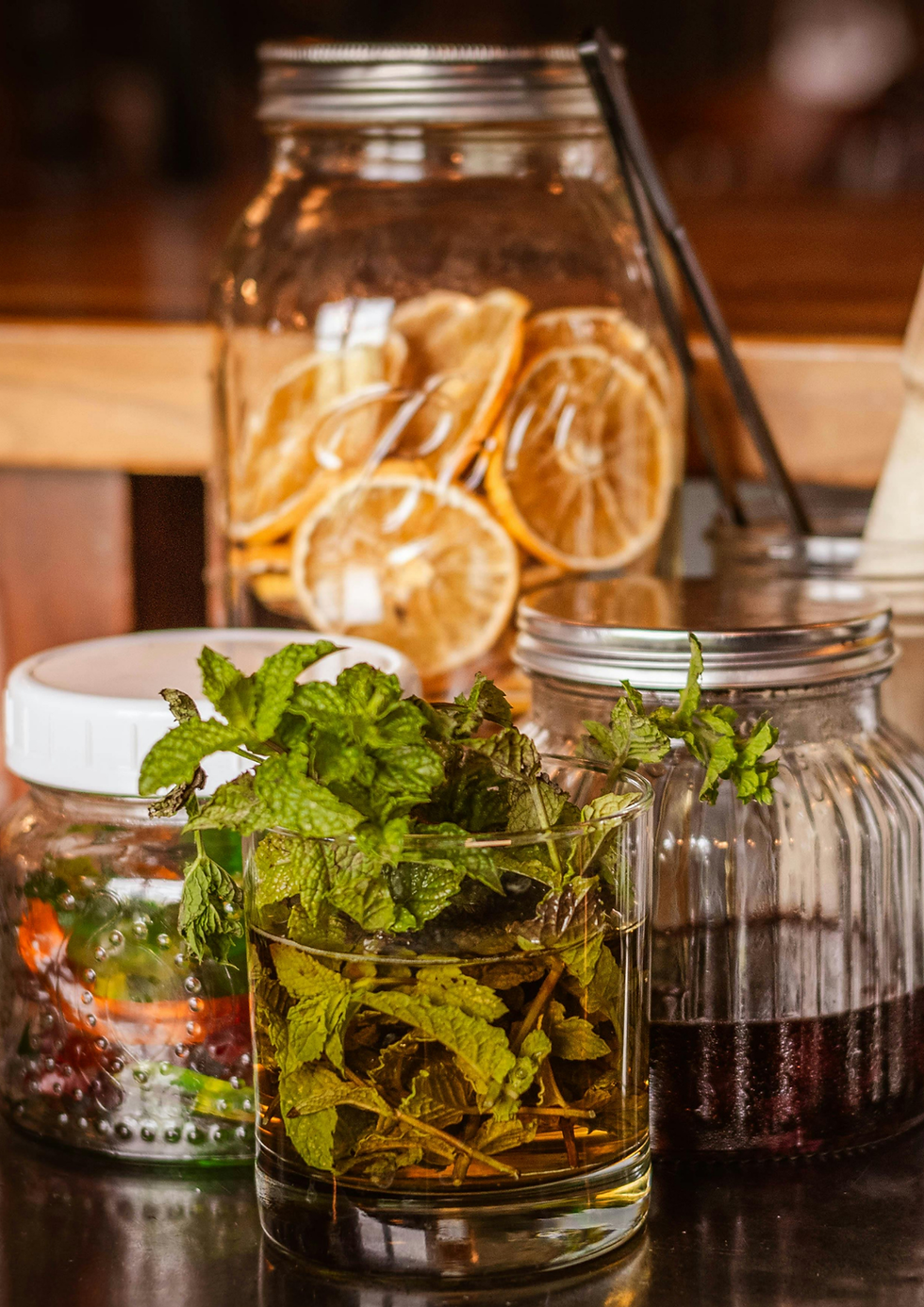
Signature Sip Planning.
Choose one person as inspiration.

Drink Design.
Design your signature drink.

Canva & Peer Review.
Build your visual recipe card using the Canva template from Wix.
Assessment Plan
Formative.
-
Anonymous opening poll on Wix to check prior awareness
-
Inspiration card discussion to check understanding of values and representation
-
Menu review activity to check ability to identify barriers
-
Signature Sip planning prompt to check design direction
-
Peer review to check ability to give useful feedback
Summative.
Participants submit:
• Final drink recipe
• Canva visual recipe card
• Inclusion checklist
• Short design explanation
The final submission will be assessed for clarity, accessibility, affordability, alcohol-free parity, accurate labeling, respectful inspiration, and explanation of who the drink includes.
Materials & Resources
Instructional Materials.
-
Drink maker inspiration cards
-
Sample drink menu
-
Supermarket price comparison sheet
-
Allergen and dietary label guide
-
Signature Sip planning worksheet
-
Inclusion checklist
-
Short reading on cultural respect in drink design
Technology Tools.
Wix.
Hosts the course, lesson pages, inspiration cards, poll, exit ticket, and submission portal. Wix also allows anonymous reflection so participants do not need to share private health, religious, recovery, pregnancy, or disability information publicly.
Canva.
Used to create the visual signature drink card. Canva supports equity by helping participants create clear, visual, easy-to-read materials without needing advanced design skills.
Accessibility Supports.
Accessibility supports include:
-
Plain-language instructions
-
Alt text on Wix images
-
Printed templates
-
Pre-session materials
-
Alcohol-free tasting options
-
Fidget tools
-
Flexible seating
-
Optional verbal support.
Equity-Centered
Digital Tool Integration
Canva.
Purpose
Visual recipe card creation
Equity Consideration
-
Reduces literacy and language barriers.
-
Supports neurodivergent learners who process visual information more readily than dense text.
Wix.
Purpose
-
Course hosting
-
Forms
-
Anonymous reflection
Equity Consideration
-
Allows participants to contribute without pressure to perform identity.
-
Protects privacy by letting learners share reflections and upload work without disclosing personal health, religion, recovery, pregnancy, or disability information publicly.
Potential Challenges & Mitigation Strategies
Some participants may have limited Canva experience.
Challenge.
Impact on Equity.
Participants with lower digital confidence may disengage.
Mitigation Strategy.
Provide a Canva template, printed template, buddy support, and a short pre-session guide on Wix.
Challenge.
Some participants may feel uncomfortable discussing alcohol.
Impact on Equity.
People who avoid alcohol for religious, health, recovery, pregnancy, or personal reasons may feel alienated.
Mitigation Strategy.
Center the alcohol-free version in every design. Make alcohol optional. Never require tasting or personal explanation.
Challenge.
Ingredient access may vary by budget or location.
Impact on Equity.
Learners with smaller
budgets may feel excluded
by expensive recipes.
Mitigation Strategy.
Require easy-to-find ingredients only. Provide a low-budget swap list on Wix.
Challenge.
Cultural traditions may be simplified or misused.
Impact on Equitye.
Participants whose cultural traditions are referenced may see those traditions treated as trends.
Mitigation Strategy.
Use respectful inspiration, research, and fictional guest examples. Do not require anyone to share personal cultural knowledge.
Challenge.
Famous drink history may overrepresent Western men.
Impact on Equity.
Learners may see a narrow view of who shaped drink design.
Mitigation Strategy.
Include diverse inspiration cards and ask learners to consider who is remembered and who is missing.
Measuring Impact on Equity
-
Wix pre- and post-workshop confidence survey
-
Final drink recipe and Canva card
-
Completed inclusion checklist
-
Peer review responses
-
Exit ticket reflections
Data Sources.
-
Each drink includes a complete alcohol-free version
-
Each drink includes clear labels for allergens, alcohol, caffeine, sugar, and strong flavors
-
Each recipe uses easy-to-find ingredients and includes at least one low-budget swap
-
Each participant explains who their drink includes
-
Participants can name at least three barriers in drink menu design
-
Participants can explain how one drink maker inspired a more inclusive design choice
Equity Indicators.
Success Criteria.
-
100% of submitted cards include an alcohol-free version
-
100% of submitted cards use clear labels
-
100% of submitted recipes use easy-to-find ingredients
-
100% of participants explain who their drink includes
-
Most participants identify three or more barriers in a sample menu
-
Most participants connect their final drink to a value such as inclusion, culture, sustainability, creativity, or hospitality
Reflection
Reflection will be completed after the lesson.
The facilitator will review what worked well, which activity confused learners, which supports were used, whether learners avoided private personal disclosure, whether Wix and Canva supported the lesson, whether participants created clear alcohol-free options, whether the inspiration cards helped learners think about representation, and what should be changed before the next delivery.
Equity-Centered
Design Rationale
Equity Components Included.

Every drink must include a complete alcohol-free version that feels thoughtful and adult, not like an afterthought. This supports guests who are pregnant, in recovery, driving, avoiding alcohol for religious or health reasons, or simply choosing not to drink.
-
Clear labels for allergens, caffeine, sugar, and strong flavors remove guesswork.
-
Guests should not have to ask private questions just to order safely.
-
By requiring easy-to-find ingredients and a single low-budget swap, the lesson dispels the notion that good drink design requires expensive tools or specialist products.
-
The Signature Sip Project asks participants to use inspiration respectfully.
-
Learners may draw from public figures, local stories, or fictional guest personas, but they are not required to share private cultural knowledge.
-
The inspiration cards show that drink history is shaped by many kinds of people. Participants consider who is celebrated, who is missing, and how their own design choices can include more guests.
-
Participants include at least one sensory choice:
No strong smell, no fizz, less sweetness, or mild flavor -
This supports guests with different sensory preferences and needs.
-
No participant is required to disclose personal information about pregnancy, religion, recovery, health, disability, income, allergies, culture, or drinking choices.
Rationale for Inclusion.
I chose these components because many drink menus treat guests who choose alcohol-free options as an inconvenience. In many settings, the alcohol-free choice is plain water, soda, or a sugary drink with little care behind it. That is not inclusive hospitality.
This lesson teaches participants to design drinks from the start with more guests in mind. It also shows that inclusion is not only about removing alcohol. It includes clear labels, affordable ingredients, respectful inspiration, sensory choices, and privacy.
Wix and Canva were chosen because they are accessible and simple to use. Wix supports the lesson website, resources, forms, and submission space. Canva helps participants create clear visual recipe cards without needing advanced design skills. Both tools support equity by making the learning process more flexible, visual, and practical.
Measurement of Effectiveness.
-
The final drink recipes
-
Canva cards
-
Inclusion checklists
-
Peer feedback
-
Exit ticket responses
-
-
Barriers
-
Design a complete alcohol-free option
-
Use clear labels
-
Choose easy-to-find ingredients
-
Explain who their drink includes
-
-
Whether participants feel more prepared to design drinks for diverse guests.
-
If this workshop is later delivered in a real venue, guest feedback and menu changes could also be tracked over time.
-
For this lesson, the immediate evidence will come from the participant products and reflections.
-